
Teddy’s blocked bladder could have been fatal, luckily his owner got him the help he needed in time.
Ten-year-old cat Teddy needed urgent treatment after his owner noticed that he was having trouble going to the toilet.
Jackie, a part-time accounts assistant from Hurstpierpoint, noticed Teddy’s toilet troubles one evening. “He had been in the litter tray several times, which in itself is strange as he doesn’t usually use it anymore as he has a cat flap and goes outside,” she explains. Teddy then began moving very slowly around his home and yowling when touched by his owner.
Concerned at these symptoms, Jackie gave Brighton PDSA Pet Hospital a call. “I was now very worried about him,” she recalls. The veterinary staff told Jackie to bring Teddy down right away, as it was suspected that he couldn’t pass any urine – which can be extremely dangerous if not treated quickly.
Upon arrival at the Pet Hospital, Teddy was examined, and it was determined that he was suffering from a blocked bladder. “Blocked bladders are most common in male cats, especially those who are neutered, overweight, stressed or eat a dry diet.” PDSA Vet Nurse Gemma Renwick says.
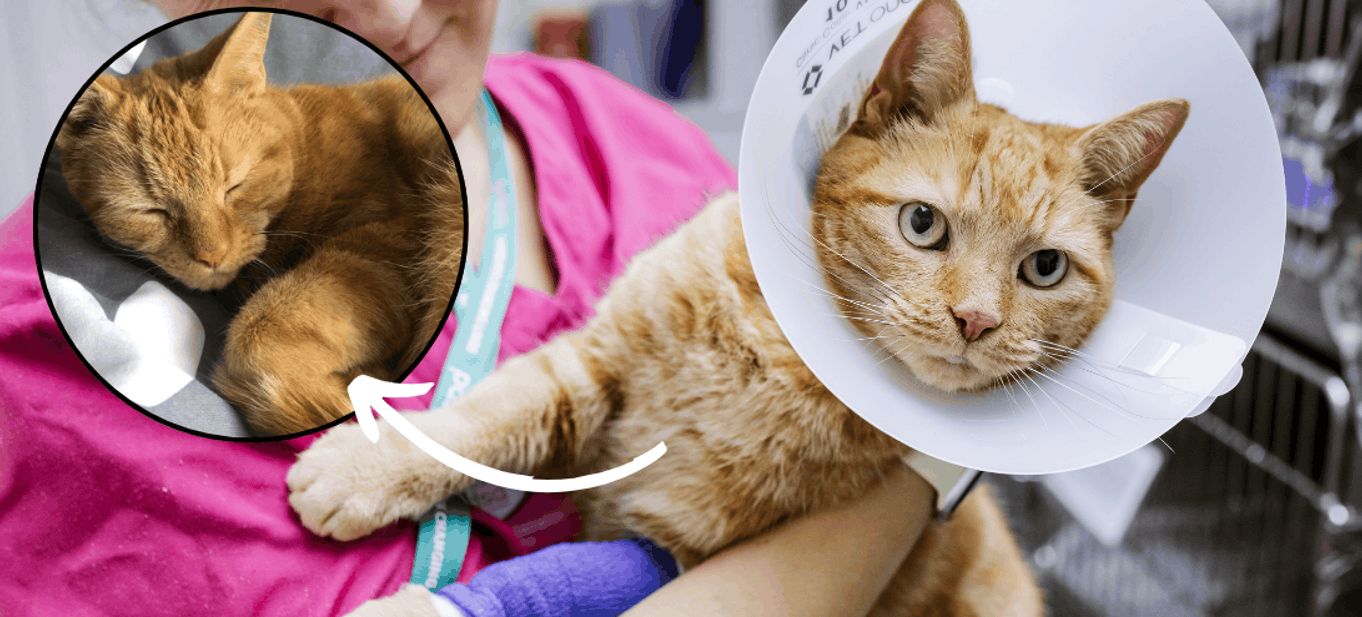
Following this diagnosis, Teddy was admitted to the Pet Hospital for treatment. “I went home very anxious and very worried, but totally confident in the care that Ted had already received, and me for that matter, from the staff at PDSA,” Jackie says.
All cat owners should be aware of blocked bladder in cats as failing to get it treated in time can be fatal. If you notice that your cat is having trouble weeing, you should seek an emergency appointment with your vet right away. A blocked bladder can lead to urine building up inside of the cat’s bladder – which can cause kidney damage, heart problems, and could even result in the bladder bursting.
To avoid this happening, keep an eye on your pet’s toileting habits. If your cat is affected, they may make frequent visits to the litter tray (but produce little or no urine) or strain and cry out when trying to wee. You may also find blood in their urine and notice that they’re excessively licking around their back end. Cats suffering from a blocked bladder may also have a painful, tense tummy, hide away, have low energy, and vomit.
In Teddy’s case, he had a blood test for further assessment, was given pain relief, and placed on a fluid drip. Not long after, Teddy was anaesthetised to have a urinary catheter placed. It was discovered that he had a large urethral plug (a build-up of crystals and mucous) which was located at the end of his urinary tract (urethra). This was relieved by the veterinary team, allowing Teddy to pass urine again.
During the procedure, Teddy had a urinary catheter placed temporarily to allow urine to pass freely and flush out his bladder. He was then hospitalised to monitor his recovery and to make sure he was passing urine. Whilst at Brighton Pet Hospital, the Vets and Vet Nurses took a small sample of Teddy’s urine and tested it which showed that the poorly pet had signs of a urinary infection.
Thankfully, Teddy was feeling better by the next morning and had managed to eat a small amount. This, along with the fact urine was flowing well through the catheter, meant that he could have the catheter and drip removed and be discharged from the Pet Hospital. Jackie picked up her furry friend later that day, and was given further anti-inflammatory pain relief, some antibiotics for Teddy, and advice on how to prevent blocked bladder in the future.
“Unfortunately, once a cat has experienced a blocked bladder, there’s a higher risk of it happening again,” Gemma explains. “To prevent this, owners will need to follow their vet’s advice and make the changes needed to their cat’s lifestyle and diet. This may include things such as encouraging them to drink more, feeding them a special food, reducing daily stress levels, getting their cat to lose weight, and giving them medication.”
“I cannot fault the treatment both Ted and I received from PSDA,” Jackie says. “He is not just my pet; he is my family and had I not been able to take him to PDSA I wouldn’t have been able to afford the treatment.” Jackie and Teddy were so grateful in fact: “I took some biscuits and chocolates for the staff to say thank you from Ted,” she adds.
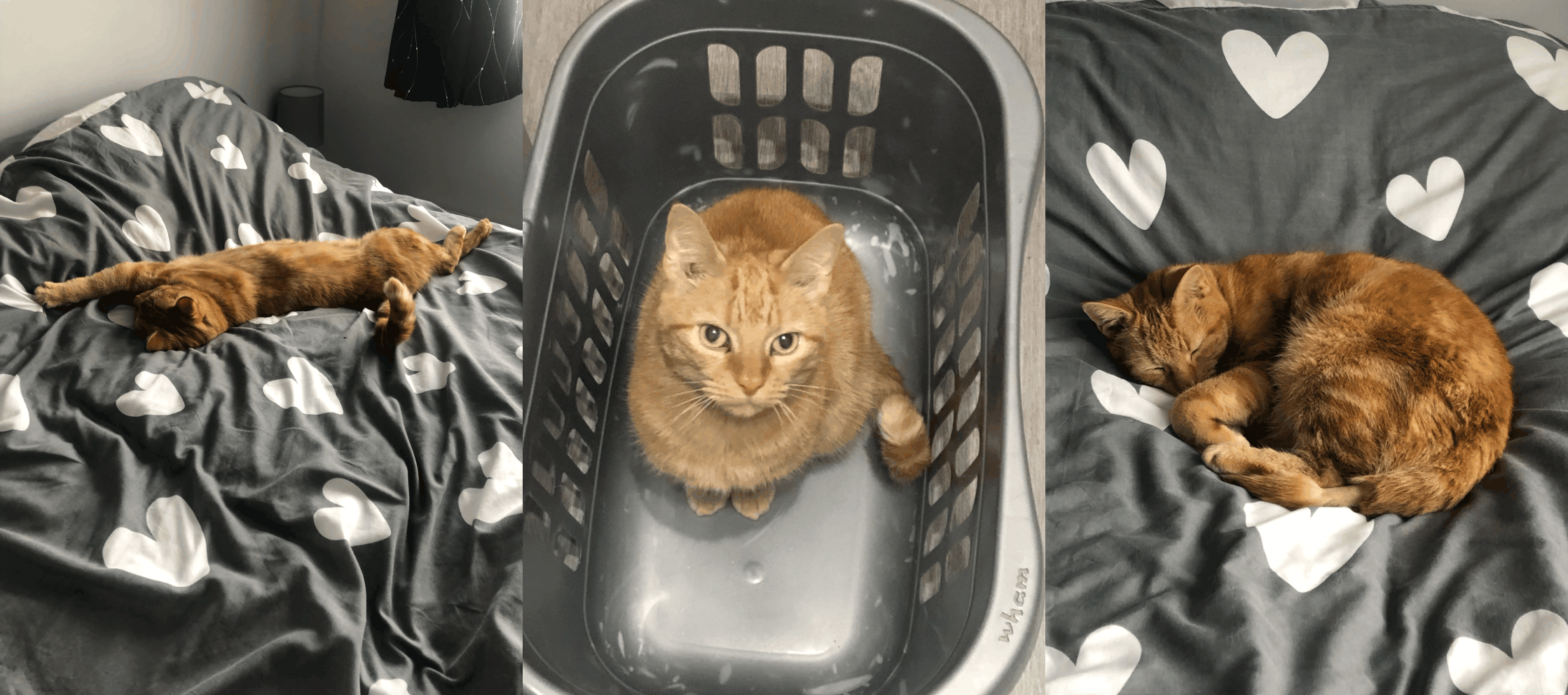
Following his treatment, Teddy has been taking full advantage of sleeping on Jackie’s bed while he recovers – something he wasn’t allowed to do previously.
Teddy’s treatment cost a total of £371.38.

PDSA is the UK’s leading veterinary charity. Through our network of over 40 Pet Hospitals and associated clinics and our Pet Care scheme, we save the lives of poorly pets who would otherwise be left untreated.
Every year, we treat over 430,000 pets. Without us, emergency cases like Teddy's would be left untreated and many pets could lose their lives or be separated from families who love them.
We wouldn’t be here for cats like Teddy without your support. Please consider donating today.
Give pets like Teddy a fighting chance
Pets who have been there for us during the Cost of living crisis deserve somewhere to turn when they need life-saving treatment.
will save pets like Teddy
Every £1 donated will help us make sure sick and injured pets get the treatment they desperately need.
Donate to PDSAWhere to next
Poorly pet?
Get vet-approved advice on common symptoms, conditions and medications for pets on our Pet Health Hub.
Sign up to our newsletter
Want to read more stories like Teddy's, keep up with the latest pet wellbeing news, or perhaps you just want to support PDSA? Get your latest PDSA news with our Newsletter.