
Mitral valve disease (MVD) in dogs
Overview
- Mitral valve disease (MVD) is a heart problem caused by a faulty heart valve.
- It’s the most common type of heart disease in dogs and is particularly common in smaller breeds such as the Cavalier King Charles Spaniel.
- MVD typically causes symptoms such as coughing, breathlessness, and low energy, which can range from mild to serious, depending on how severely the valve is affected.
- Contact your vet for an appointment if you are concerned about your dog’s heart.
What is mitral valve disease?
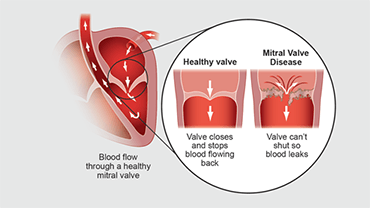
Mitral valve disease (MVD) affects the mitral valve, one of the heart’s four valves. The valve becomes thickened and doesn't close properly, allowing blood to leak backwards. The blood leaking backwards through the valve can cause a heart murmur, which your vet may hear during a check-up.
Over time, the heart has to work harder to pump blood around the body. Many dogs with MVD show no symptoms at first, but the condition usually gets worse over time and can eventually lead to heart failure.
MVD can affect any dog but it’s most common in small-medium breeds such as the:
There are heart-screening programs available for some at-risk breeds. If you are considering getting a dog, make sure to do your research, and check whether heart screening is necessary for the breed you are interested in.
Click to expand
Symptoms
Some dogs can live for years without symptoms. However, as the condition progresses, they may develop signs such as:
- A heart murmur (detected by your vet)
- Coughing, especially after lying down or sleeping, often worse at night
- Low energy and slowing down on walks
- Breathing more quickly than usual, breathlessness or panting more than usual
- Weight loss
- Collapse or fainting
Diagnosis
If your dog has a murmur and your vet suspects mitral valve disease, it’s likely they will need a number of tests to confirm the diagnosis. Tests may include:
- An ultrasound scan to help your vet see inside your dog’s heart.
- X-rays to show if your dog’s heart has changed size or if there is any fluid on the lungs (a common complication of heart disease).
- Blood tests such as ‘ProBNP’, to show if the heart muscle is under pressure or struggling to pump blood.
- Blood pressure checks
- An ECG to look at your dog’s heart rhythm.
Stages of Mitral Valve Disease
There are four stages of mitral valve disease, ranging from A-D:
A. Your dog is stage A if they are a breed prone to MVD (such as Cavalier King Charles Spaniel), but don’t currently have any signs of a problem (no murmur or symptoms).
B1. Your dog is stage B1 if they have a murmur, but no symptoms of a heart problem and no changes on ultrasound scan and/or x-rays.
B2. Your dog is stage B2 if they have a murmur and no outward symptoms of a heart problem. However, they now have changes to the shape of their heart on ultrasound scan and/or x-rays.
C. Your dog is stage ‘C’ if they have symptoms of heart failure such as coughing, breathing problems, slowing down on walks and collapse.
D. Your dog is stage ‘D’ if they have symptoms of heart failure that aren't responding to medications.
Treatment
Monitoring
If your dog has mild MVD, they are unlikely to need medication to begin with, but they will need to be monitored at home and have regular vet checks. One of the most helpful things you can do at home is to regularly record your dog’s resting breathing rate (how many breaths they take per minute when sleeping). Watch our video on how to take a resting breathing rate.
Medication
If your dog’s condition gets worse or starts to cause symptoms of heart failure (coughing, slowing down on walks etc), they are likely to benefit from heart medications. These medications will:
- Help the heart beat more effectively
- Help remove fluid from the lungs
- Make it easier for the heart to pump blood around the body
Lifestyle
If your dog has been diagnosed with MVD (or is a breed at risk), it’s very important to keep them fit and healthy.
- Make sure they stay slim.
- Take them for regular, short walks to keep them fit and active.
- Try to avoid walks that are much longer or more strenuous than they are used to as this could put their heart under a lot of pressure.
Surgery
Surgery to repair the heart valve is now available at some specialist centers in the UK. This treatment is only suitable for certain dogs, and it can be very expensive. If your dog has been diagnosed with MVD, speak to your vet about whether this treatment might be an option.
Watch our video: how to take a resting breathing rate
 Video found at youtu.be/1sziOT-AAHA
Outlook
It’s impossible for your vet to predict how long your dog will live with MVD because each case is so different. Your dog’s life expectancy will very much depend on how serious their symptoms are, how their MVD progresses, and how they respond to medication.
Some dogs with MVD live with no symptoms for many years (sometimes even their whole lives), some require medication and respond extremely well, and some, develop much more serious MVD that doesn’t respond to medication. Sadly, in serious cases that don’t respond to medication, MVD can shorten life expectancy, even to a few days or weeks.
If your dog is struggling to breathe, contact your vet immediately for an emergency appointment. You know your dog best, always contact your vet if you’re concerned.
Cost
Treatment for MVD can become very expensive, so it’s important to speak openly with your vet about the cost of treatment, your finances, and what you think is right for your dog. There is sometimes more than one treatment option, so if one doesn’t work for you/your pet then your vet may be able to offer another.
Consider taking out dog insurance as soon as you bring your dog home, before any signs of illness start. This will give you peace of mind that you have some financial support if they ever become unwell.
Not all dogs with MVD need medication straight away, but if your dog has symptoms, they will eventually start to suffer if without the right treatment. If your dog’s quality of life is poor and you think treatment isn’t working, or isn’t possible, you may need to discuss the difficult decision of putting your dog to sleep to prevent any future suffering.
Although there is no way of stopping a dog getting MVD, there are some breeds that are more prone to it. If you are getting a puppy, it’s important you consider which dog is right for you and do your research on any potential breed related health issues. It’s also a good idea to have regular check-ups with your vet throughout your dog’s life (for example at annual vaccination appointments), which will allow them to pick up early signs of problems such as a heart murmur.
MVD doesn’t always cause problems immediately (some dogs can live without symptoms for years), but it’s a condition that usually gets worse with time and eventually can lead to heart failure. If you have a dog with MVD, the most important thing is to monitor them for changes and contact your vet as soon as possible if you have concerns - the sooner your dog gets treatment the better.
Published: June 2026
Did you find this page useful?
Tell us more
Please note, our vets and nurses are unable to respond to questions via this form. If you are concerned about your pet’s health, please contact your vet directly.
Thank you for your feedback
Want to hear more about PDSA and get pet care tips from our vet experts?
Sign up to our e-newsletter
Before you go!
Why not sign up for our newsletter to receive regular pet health advice from our vets?

Written by vets and vet nurses. This advice is for UK pets only. Illustrations by Samantha Elmhurst.