
Cats
Keeping your cat a healthy weight: the hidden role of treats in feline obesity
Cat obesity is a huge welfare issue for felines and puts them at high risk of several health problems. Excess weight can place additional strain on a cat’s body and may contribute to conditions such as arthritis, certain cancers and breathing difficulties. These issues can affect mobility, comfort and overall quality of life, highlighting the importance of maintaining a healthy weight throughout their life.
Among owners who said their cat needed to lose weight (14%), the most common challenges to helping their cats lose weight were their pet getting food from other sources (19%), giving in to begging behaviour (19%) and food fussiness (16%). Some of the most reported barriers are not entirely within the owner’s control, highlighting the challenges of managing weight in cats.
Cat owners were more likely than dog owners to give their pet treats to make them feel happy (48% compared with 42%). Around one in three cat owners (32%) also gave treats to provide variety for their cat. This suggests that treats can form an important part of the relationship between cats and their owners, rather than simply being used as a source of food. Greater awareness of good treats for cats and calorie intake may help owners maintain a healthy weight for their cat.
Just under half of cat owners (45%) reported that there is not enough information available to help owners understand their pet’s dietary requirements. PDSA want to ensure there is clearer, more accessible guidance on everyday feeding decisions, including appropriate portions, treats and maintaining a healthy body condition, which can help owners support their cat’s health and wellbeing.
Keeping cats indoors: how to support their wellbeing
Indoor-only living cats have become slightly more common, increasing from 26% in 2020 to 29% in 2026, while the proportion of cats with both indoor and outdoor access has fallen from 72% to 68%. However, figures have remained relatively stable since 2022. Two-thirds of indoor-only cat owners (66%) said their cat lives inside because they believe it is unsafe for them to go outside.
For cats living exclusively indoors, providing opportunities to exhibit natural behaviours is particularly important. Scratching posts, elevated spaces, opportunities for play and areas where cats can retreat can all help indoor cats stay active, engaged and comfortable in their home environment, supporting their physical and emotional wellbeing.
Cat behaviour: recognising normal and concerning signs
A third of cat owners (33%) report their cat scratches inappropriate items in the house. Scratching is a natural cat behaviour, but providing suitable scratching opportunities can help them express their behaviour in an appropriate way, particularly for cats living exclusively indoors.
Just over a quarter of cat owners (27%) reported that their cat kills wildlife. Hunting is also a natural behaviour for cats but can be perceived as a problem by some owners. Where cats don’t have an opportunity to hunt and kill wildlife, they should be given opportunities to express this behaviour in other ways, for example playing with cat toys.
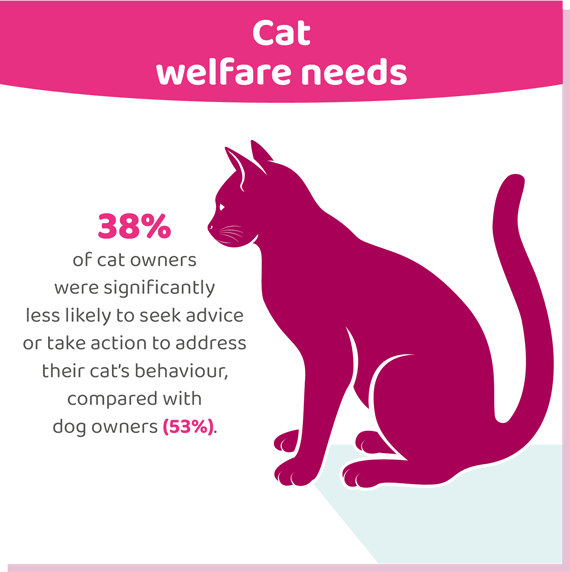
One in five (21%) cat owners reported timid, scared, or nervous behaviour. Often these behaviours can be a sign of stress or illness. This is especially true when these behaviours are a change from normal. Recognising them early can help owners identify when their cat may need support from a vet or behaviourist. Understanding cat body language can help owners recognise changes in their cat’s behaviour and identify when they may need support. However, cat owners were significantly less likely than dog owners to seek advice or take action to address their cat's behaviour (38% compared with 53%). PDSA recommends seeking veterinary advice if you are concerned about changes in your cat’s behaviour or think they have a problem behaviour.
Cat breed health: what to consider before choosing a cat
The proportion of pedigree cats has remained relatively stable in recent years. In 2026, 9% of cat owners reported having a pedigree cat, compared with 11% in 2023 and the same proportion in 2019 and 2020 (9%). Most of these pedigree cats (68%) have been with their owners for three years or more, meaning the majority were not acquired recently.
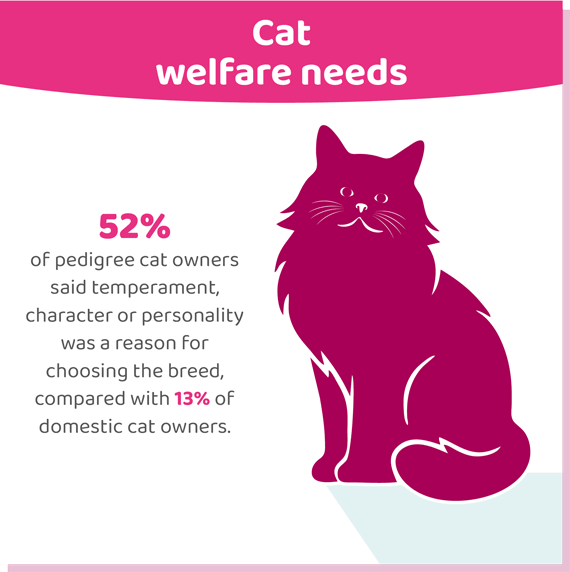
The most common breeds reported were British Shorthair (17%), Ragdoll (16%) Maine Coon (12%), and Bengal (8%). Just over half (52%) of pedigree cat owners said temperament, character or personality was a reason for choosing the breed, compared with 13% of domestic cat owners. This may suggest that owners place greater importance on the perceived behavioural characteristics associated with particular pedigree breeds. Additionally, appearance was twice as likely to be cited as a reason for choosing a pedigree cat compared with a domestic cat (32% vs 16%).
While pedigree cats can make wonderful companions, some breeds are more likely to develop breed-related health conditions because of the way they have been bred. PDSA recommends that anyone considering a pedigree cat researches the breed carefully, before they make their decision. This should include looking at potential cat breed related health problems, which can cause suffering and require veterinary care.
It is worrying to find that only 4% of owners cited good health as a reason for choosing their cat, with no difference between pedigree and domestic cat owners. This indicates that health was less commonly considered when choosing a cat compared to other factors such as appearance and temperament. Choosing a cat based primarily on appearance or current popularity can mean overlooking important considerations about their health, behaviour and welfare.
Key Takeaways
Cat ownership continues to reflect the importance owners place on safety and companionship from their pet. More cats are being kept indoors, with less cats having both indoor and outdoor access. Alongside this, cat treats are often used as part of the cat-owner bond, which could have implications for weight gain where exercise is reduced and calories are increasing. Pedigree cats are often chosen for their perceived temperament and appearance. While many owners are engaged with their cats’ wellbeing, there are still opportunities to strengthen support around weight management, nutrition, recognising behavioural concerns and making informed decisions around cat breed health when choosing a cat.