
Dogs
Dog treats and calories: how much is too much?
Most dog owners (92%) agreed that pets can suffer from the same obesity-related conditions as people. Being overweight can cause health problems by placing additional pressure and strain on their body. Obesity in dogs can also worsen or trigger health problems such as arthritis, cancer and breathing difficulties. These conditions may affect mobility, comfort and overall quality of life, making prevention and early weight management particularly important.
Among dog owners who reported their dogs needed to lose weight (17%), 16% said they found pet weight loss difficult because they liked feeding dog treats to their dogs, while 14% said they gave in when their dog begged for food.
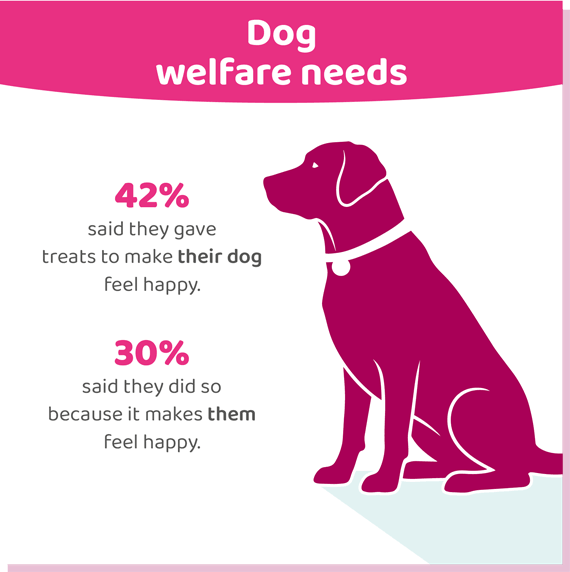
Treats were also commonly associated with happiness, with 42% of owners saying they gave treats to make their dog feel happy and 30% saying they did so because it makes them feel happy. These findings suggest that food can be an important way for owners to show affection.
Sadly, frequent treats can contribute to excess calorie intake and weight gain. Play, training and verbal praise can provide alternative ways to reward and interact with dogs.
A balanced diet tailored to a dog’s size, age, and activity level is important for maintaining good health. Regularly monitoring a dog’s weight and Body Condition Score (BCS), and seeking veterinary advice if they are overweight, can help support dogs in maintaining a healthy weight.
Dog exercise: how often should you walk your dog?
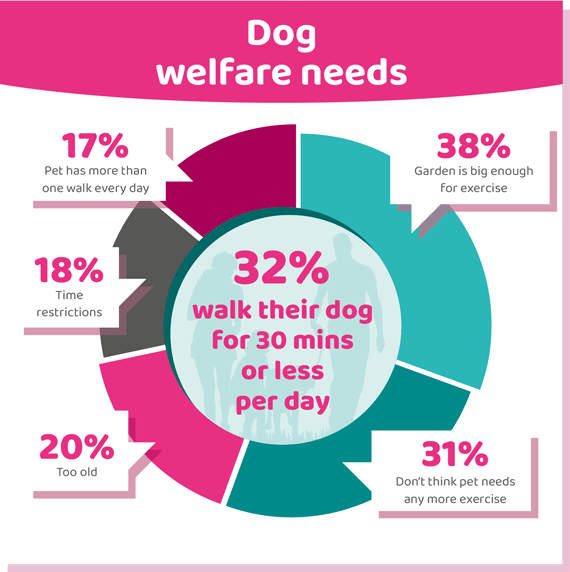
This year’s Report found almost one in three dogs (32%) were walked for 30 minutes or less each day, including 6% walked for up to 10 minutes and 26% for 11-30 minutes. While this may be appropriate for some dogs, depending on their individual needs, for many this will not provide sufficient exercise and stimulation.
The amount of exercise a dog needs depends on factors including their breed, age, health, fitness, and personality, but all dogs benefit from regular, varied opportunities for physical activity and mental stimulation. Regular dog walks are an important part of meeting these needs, but exercise for dogs is not only about walking or physical activity. Opportunities to express natural behaviours like sniffing, explore new environments, solve puzzles, and engage in training provide valuable mental stimulation and help reduce boredom and frustration.
Dogs walked for less than 30 minutes a day were around 70% more likely to display excessive barking at someone outside the window than dogs walked for one to two hours a day (32% vs 19%), and around 59% more likely to jump up at people (27% vs 17%). While these findings do not establish that shorter walks cause these behaviours, they highlight the potential importance of providing dogs with sufficient physical and mental stimulation through appropriate exercise and enrichment.
Dog ownership was also associated with reported benefits to owners’ physical health, with 85% of dog owners agreeing that owning a dog makes them feel physically healthier, significantly higher than cat owners (47%) and rabbit owners (46%). Regular walks and outdoor activities can provide opportunities for both dogs and their owners to benefit from physical activity, supporting dog wellbeing as well as owners’ health.
Dogs off-lead: why off-lead exercise still matters
Nearly three-quarters (72%) of pet owners agreed that all dogs should be kept on a lead in public, including 67% of dog owners, 78% of cat owners, and 71% of rabbit owners.
Under Section 3 of the Dangerous Dogs Act 1991, dog owners must keep their dogs under control in public places. Being able to reliably control a dog, including through recall when appropriate, is therefore an important part of responsible dog ownership.
PDSA believe off-lead exercise is important for dogs. Where it is safe and legal to do so, letting dogs off-lead can allow them greater freedom to run, explore, socialise and express natural behaviours, providing benefits that can be more difficult to achieve when on a lead. However, not all dogs have sufficiently reliable recall to be safely exercised off lead in every situation. Poor control increases the risk of negative interactions with people or other dogs, as well as dogs becoming lost or causing injury to livestock or wildlife.
Key Takeaways
Our findings highlight that good canine welfare is about more than preventing health problems; it is also about enabling dogs to thrive. Everyday decisions around dog treats, dog exercise and off-lead freedom can influence a dog’s physical health, behaviour and quality of life. Owners can support their dog’s wellbeing by monitoring body condition and weight, providing appropriate physical and mental stimulation, and providing appropriate training and developing their dog’s recall skills so they can enjoy greater freedom off-lead safely when out and about.