
Preventive
Pet neutering: what owners should consider
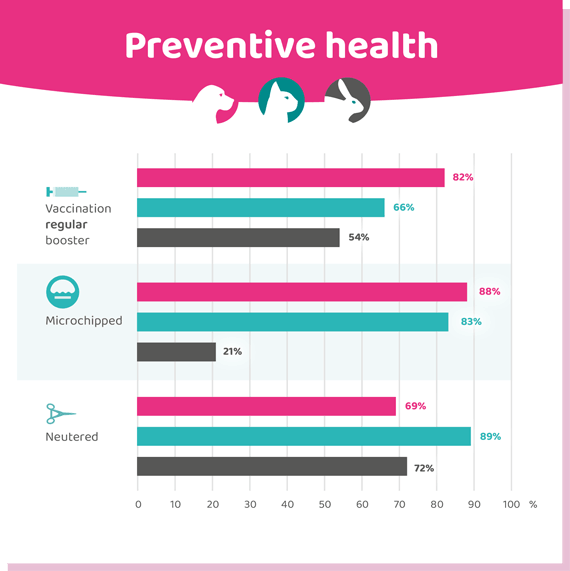
In 2026, 69% of dog owners reported their dogs were neutered, an increase from 64% in 2025. Dog neutering was more common among female dogs, with 76% for females compared with 63% of male dogs. The most common reasons owners gave for not neutering their dogs were that they did not think there was a benefit to neutering (17%), were concerned that it would change their dog’s personality (14%) or had been advised against neutering by their vet (12%).
Cat neutering was more common, with 89% of cat owners reporting that their cats were neutered. Of those that were neutered, 12% were aged 0-4 months, 27% were 5-6 months, 16% were 7-12 months and 8% were over 12 months when they were neutered. The most common reasons owners gave for not neutering were that their cat did not go outside (13%) and they had not thought about it (13%), with 14% saying they did not know the reason their cat wasn’t neutered.
In 2026, 72% of rabbit owners report their rabbit was neutered, which was significantly lower than cats.
PDSA recommends neutering pets as it can provide important health and welfare benefits, while preventing unwanted litters. However, the decision to neuter should be based on the individual pet and their circumstances. Discussing the potential benefits and considerations with their vet can help support pet owners in make an informed decision for their individual pet, taking into account factors including the animal’s age, sex, breed, lifestyle, purpose and the potential impact of neutering on their health and behaviour.
Pet vaccinations: preventive care matters
Vaccinations help protect pets against a range of potentially serious and life-threatening diseases. Most pets require an initial primary vaccination course, followed by regular booster vaccinations throughout their lives. Keeping up with vaccinations is an important part of preventive care and supporting health.
In 2026, 82% of dog owners reported that their pets had received their primary dog vaccination course when young. The same percentage (82%) reported that their dogs received regular booster vaccinations which has increased significantly from 79% in 2025. The proportion of dogs receiving regular booster vaccinations was significantly higher than among cats (66%) and rabbits (54%).
Among cat owners, 75% reported that their pets had received their primary cat vaccination course when young, while 66% reported that their cats received regular booster vaccinations. Both primary and booster vaccination rates among cats were higher in 2026 than the average recorded since 2017 (69% and 61%, respectively).
For rabbits, 54% of owners reported that their pets received regular booster rabbit vaccinations. This was not significantly different from the overall average since 2017 (51%) but was higher than the proportion reported in 2018 (42%).
Microchipping your pet: more than a legal requirement
Microchipping your dog has been a legal requirement for dogs from 8 weeks of age since 2016. Ten years on from this, in 2026, 88% of dog owners reported that their dogs were microchipped, significantly higher than in 2025 (82%). Microchipping helps reunite lost dogs with their owners, making it important that dogs are microchipped and that owners keep their contact details up to date.
In 2026, 83% of cats across the UK were reported to be microchipped, which is significantly higher than in 2024 and 2025 (78% for both years). In England, 84% of cats are microchipped, significantly higher than in both 2024 and 2025 (78% and 79%, respectively). This increase coincides with the introduction of compulsory cat microchipping regulation in England in June 2024, which requires cats over 20 weeks of age to be microchipped. As well as meeting the legal requirement, microchipping can help reunite cats with their owners if they go missing.
Among rabbits, 21% were reported to be microchipped in 2026. This was lower than in February 2020 (30%), but not significantly different from the average since 2017 (23%). Although microchipping is not a legal requirement for rabbits, it can help reunite them with their owners if they escape or go missing.
Pet insurance and veterinary costs: planning for unexpected care
Pet insurance can help owners manage the cost of veterinary treatment following accidents or illness. However, pet insurance uptake continues to vary considerably between species.
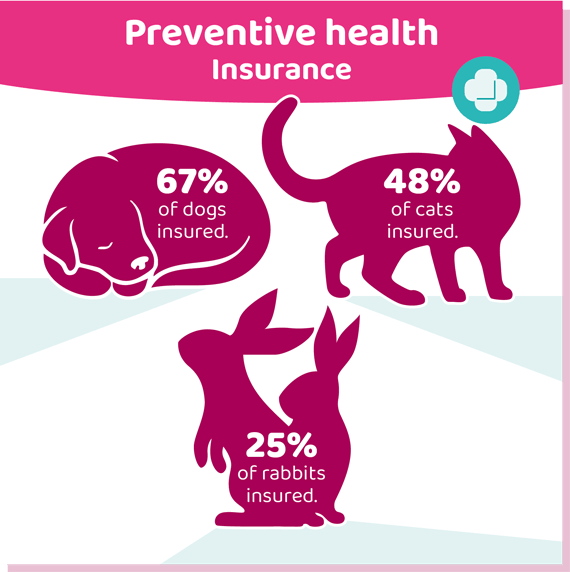
In 2026, 67% of dogs were reported to be insured, significantly higher than cats (48%) and rabbits (25%), and an increase from 61% in 2025. The proportion of insured dogs has generally increased over time, from 55% in 2017 to 61% in 2025, although uptake was higher in 2024 (64%).
Among cats, 48% were reported to be insured. This was similar to 2025 (46%) and 2024 (45%), but significantly higher than in 2023 (39%).
For rabbits, 25% were reported to be insured in 2026. This was higher than in 2017 (12%) and 2018 (13%) but remained significantly lower than insurance uptake among dogs and cats.
Pet parasite protection: choosing the right protection
Among dog owners who reported treating their pets for dog fleas (81%) and dog worms (88%), the most common reason for treatment was to prevent future flea and worm infestations (91% and 93%, respectively). However, 12% of dogs were treated for fleas and 4% for worms because they had an infestation at the time of the treatment. Dog owners most commonly purchase their dog's flea and worming treatment from a veterinary practice (67%), followed by online pharmacies (22%), and supermarkets (18%).
Similarly, among cat owners who reported treating their pet for cat fleas (82%) and cat worms (77%), prevention was the most common reason for treatment (83% and 90%, respectively). However, 25% of cats were treated for fleas and 8% for worms because they had an infestation at the time of treatment. Veterinary practices were the most reported place for cat owners to buy cat flea and worming treatments (60%), but this was significantly lower than dog owners (67%). However, cat owners were more likely than dog owners to buy flea and worming treatments from a supermarket (22% in cats vs 18% in dogs) or online pharmacy (27% in cats vs 22% in dogs).
Using appropriate pet parasite prevention can help reduce the risk of flea and worm infestations. PDSA recommend that owners should seek veterinary advice to ensure parasite control is appropriate for their individual pet. There are many factors to consider, including the pet’s species, diet, lifestyle, medical conditions, geographic location and household, as well as the potential environmental impacts of pet parasite medication.
Register with a vet: why every pet needs preventive care
In 2026, 92% of dogs were reported to be registered with a veterinary practice, significantly higher than cats (86%) and rabbits (75%). This proportion has remained relatively stable over recent years.
Registering with a veterinary practice helps ensure pets can access routine preventive care, including regular pet health checks and pet vaccinations, as well as veterinary treatment when they are unwell or in an emergency. Having an established relationship with a veterinary practice can also help owners seek advice about their pet's health and wellbeing when needed.
Key Takeaways
Preventive healthcare is one of the most important ways owners can help their pets live happy, healthy lives. From vaccinations and parasite control, to microchipping and regular veterinary care, simple preventive measures can make a big difference to a pet’s health and wellbeing. Generally, pet owners are ensuring their pets access the preventive care they need, but there are still gaps across all species, especially in terms of microchipping and vaccinations. The findings highlight the value of helping owners make informed choices and take proactive steps to support responsible pet ownership and protect their pets throughout their lives.