
This week, Dogs Trust and RSPCA have published the Dog Ownership Guide, which is designed to help both new and experienced dog owners have a better, more consistent understanding of what it means to be a responsible dog owner.
At PDSA, we’re proud to support this work and want everyone to know how to keep their dog health and happy. So, we’ve put together this vet Q&A with more information about some of the key messages from the Dog Ownership Guide’s first section “A Good life”.
How do I decide if a dog is right for me?
We love pets – but preparing before you bring one into your life is essential. Owning any pet is a big commitment, so it’s important to know what to expect. If you’re considering getting a dog, you’ll need to think whether you can provide them with everything they need throughout their lives.
Our PetWise quiz is a quick, simple way to find out which pet might suit your lifestyle and household, so if you’re wondering if a dog is right for you, it’s the perfect place to start.
Where can I find the right dog?
Once you’ve decided that a dog is right for you, you’ll need to find a perfect fit. We would always recommend getting a dog from a trusted rehoming organisation or breeder. However, this isn’t always easy, especially if you find your pet online. Our PAW Report 2025 found that 22% of dog owners saw their pet advertised on a social media site before they brought them home. This means it can be hard to know if the pet’s reality matches up to the online story.
Dishonest breeders can hide behind perfect looking posts, photos and videos. When in reality, they are puppy farmers who breed only for profit without caring from their dogs’ health and welfare. We’ve put together a guide to spotting a puppy farm to help you avoid the scams, as well as helpful information on getting a new puppy or dog.
How do I dog proof my home?
Once you’ve found your perfect dog, or if you’ve already got one in your life, you’ll need to make sure your home is set up for them. It’s important to consider where your dog will spend most of their time, how you’ll stop them reaching areas that are out of bounds, and how to make sure any doggy dangers are far away from curious paws and noses.
Each pet is unique, so we recommend starting out with the basics of beds, toys and dog-proofing until you get to know your pet’s likes, dislikes and personality. If you have a garden, make sure you think about dog safe plants and outside hazards too.
Don’t forget that you can buy lots of essentials (and a few luxuries!) at our PDSA Pet Store, where every purchase helps us provide our free and low-cost veterinary care to sick and injured pets of people in need.
Do I need to train my dog?
Training is an essential part of your dog’s life. It isn’t just for tricks; it helps your dog understand how you want them to behave. Training can be applied to any area of your dog’s life. It could be teaching them to behave when they wake you up in the morning, how they react when you’re getting ready for a walk, or what to do if they meet another dog.
Training helps keeps them feeling happy and secure, while also making the world a safe and enjoyable place for you, your friends and family, and the rest of your community. We always recommend using positive, reward-based methods for dog training.
Does my dog need a health check?
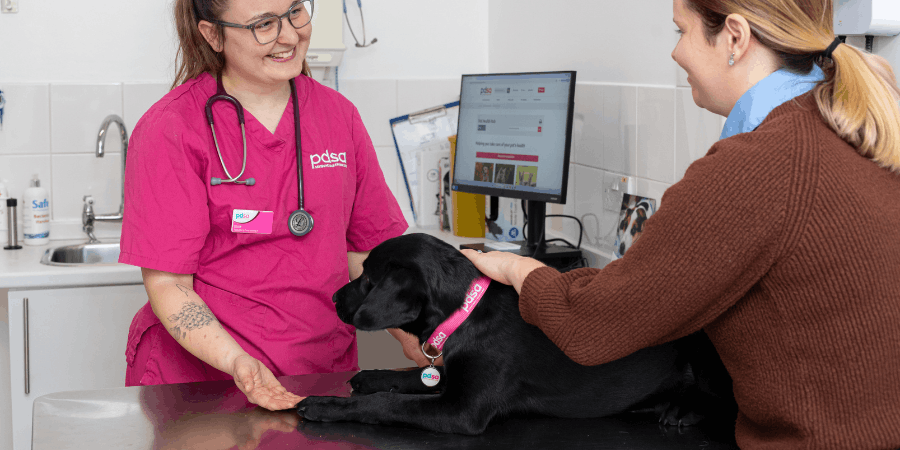
Yes, your dog needs to have regular health checks throughout their lives. For many dogs, this will be part of a vaccination consultation which they will need each year to keep their protection against potentially fatal diseases. You should also make sure your dog is neutered which can prevent unwanted litters and reduces the likelihood of certain diseases.
But health checks aren’t just for the vets, you should also carry out regular at home health checks for your dog. Remember that you know your dog best, if you spot any changes in your dog or you’re worried about them, it’s safest to get them checked by your vet.
For free advice on looking after your dog, check out our Pet Health Hub.