
How did you start training to become a Vet Nurse?
I started out as a Veterinary Care Assistant (VCA) at PDSA. When I heard about the student nurse programme that PDSA runs, I asked my colleague to run through it with me. This is where my interested in nursing grew, so when the opportunity came up, I applied for the position and began my training as a Vet Nurse.
Why did you want to work at PDSA? What made you want to work with animals?
Since I was young, I’ve always known that I’ve wanted to work with animals. I started out by doing an animal care course as an introduction into the animal industry. When I saw the VCA position up at PDSA, I really loved the idea of working with a charity, helping people and pets in difficult situations.
What does a typical day at PDSA look like for you?
A ‘typical’ day can vary depending on the shift which can include:
- Operation shift – where I monitor patients during anaesthesia and through the surgeries with one of our vets. During the week, vet nurses are allowed to schedule three shifts where we can perform small surgeries and x-rays to expand on our skills.
- Kennel shift – where I look after inpatients for the day, ensuring they get their medication and updating owners throughout their stay.
- Consultation shift – where I do nurse consults and discharge patients from the hospital. This shift can also include working at the dispensary to make up and dispense medication.
What do you enjoy most about working at PDSA?
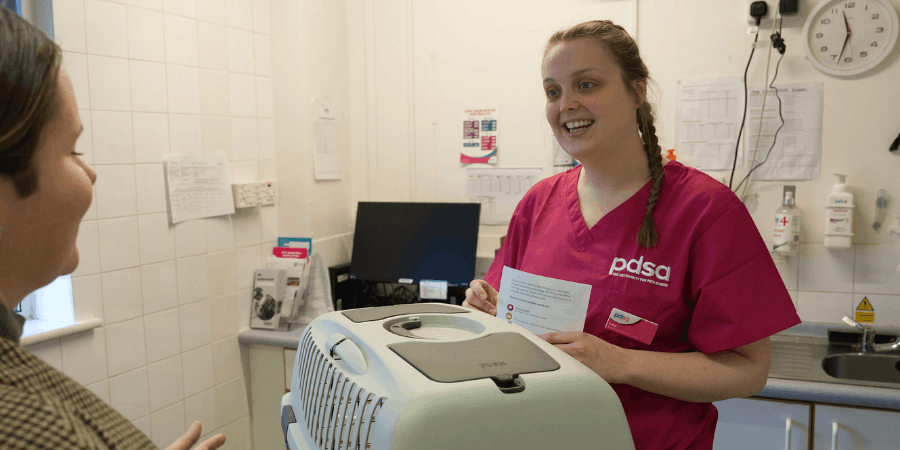
I love being able to work as part of a team to help improve our patient's welfare and provide free or low-cost treatments for people.
Do you have pets?
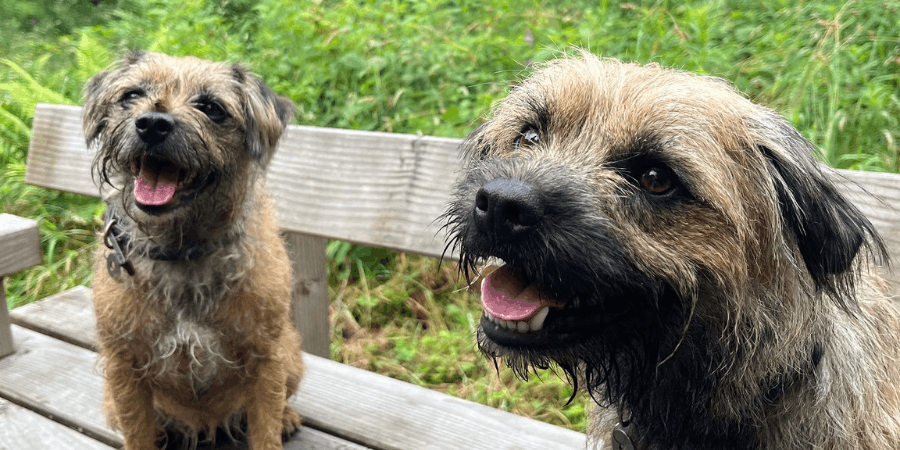
Yes, I have two Border Terriers called Bella and Bear.
What are the most common problems that pets come in for?
Honestly, we see such so much at PDSA. It can vary from emergency cases to more common routine problems. Emergency cases we see the most tend to be blocked bladder in cats or pyometra (infected womb).
What’s the strangest case you’ve had working at PDSA?
We had a kitten that came in a few weeks ago that had somehow managed to swallow an entire syringe from a bottle of pain relief medication! The poor baby required surgery to get it removed. Thankfully, they made a full recovery.
Why do you think PDSA is an important charity?
PDSA is an important charity as we help people in need and provide free or low-cost veterinary care to lots of pets, who would otherwise struggle if we did not exist.
What would you say to someone who was thinking of working at PDSA as a Vet Nurse?
PDSA is a good place for a Vet Nurse looking to be in a busy, fast-paced environment. You will expand on your skills and experience being at PDSA due to seeing so many cases and pets here. It can be a really rewarding role, knowing you are working for a charity and helping people in need with their pets.
Find out more about careers at PDSA.