
For dog owners, our pup’s safety and happiness always come first. But, with busy schedules, it can be hard to know what’s best for your dog and how to keep them safe and secure.
This blog will focus the second section of the Dog Ownership Guide produced by Dogs Trust and RSPCA, focusing on keeping your dog “Safe and secure”. This follows our first blog post in this series: making sure your dog has a good life.
How can I understand what my dog is trying to tell me?
Most pet owners wonder what’s going on inside their pet’s head, but it can be hard to know what they are thinking. Fortunately, there are lots of ways you can learn to understand your dog.
Learning about the ladder of communication is a great place to start, especially as it helps you spot signs of worry or stress so you can remove your dog from situations that are difficult for them.
It also helps to know about positive training, which helps you understand how your dog thinks and learns. If you’re worried about your dog’s behaviour, you might want to read more about problem behaviours to make sure you can get them the help they need.
How can I socialise my dog?
Socialisation is key to making sure your dog stays happy and healthy. It helps them to learn what to expect from life and how to respond to different situations. There is a socialisation period for puppies in the first few months of their life and it’s important that they have positive new experiences during this point. If your dog comes into your life when they are older, you can still use the principles of socialisation to help them adjust to life in your home.
It’s crucial for your dog to get used to different people and pets, so they learn how to interact safely and happily. This is even more important for children, or if you’re introducing them to a new dog that will live in your household. Just make sure all the experiences are as positive as possible, and don’t forget to give your dog breaks and space in case they ever feel overwhelmed.
How much exercise does my dog need?
Exercising together is a great way to spend time with your dog and strengthen your bond. Every dog is different so it’s not possible to say how much exercise is right for your dog. Some breeds will want more exercise than others, and you can find out more about this in our dog exercise guide.
However, personality has a big part to play too, as does your dog’s health and their previous experiences. Always remember to build up exercise slowly, especially for puppies. Exercise comes in lots of different forms, such as walking or jogging, but you should also try to exercise their brain and body together by doing some training or activity games with dog toys.
Can I leave my dog alone?
Yes, most dogs can be left alone in a safe area of your home. But it’s important that you train your dog to be comfortable without you before you consider leaving them behind. If they struggle to be on their own, your dog can develop separation anxiety which is very distressing for them and for you.
It’s often easier to start training when they are a puppy, so you can teach them that time on their own isn’t scary and can be fun. If you rehome an older dog or you’ve missed out on the puppy window, you can still teach them how to be alone. However, just make sure to take things a bit slower and give them plenty of reassurance. Make sure to read our guide on preventing separation anxiety for all our top tips.
How long can I leave them alone?
Once your dog is used to being left alone for a short period, you can gradually build up the time they’re left on their own. As a rule, most dogs shouldn’t be left for much longer than four hours. By this point, they might be getting hungry or need a toilet break.
However, the length of time they’re happy to be alone will depend on your dog’s personality, their normal routine and their home environment, so a longer or shorter length of time might work better for them.
Using a pet monitoring app or camera can help you see if your dog is comfortable on their own and make sure you (or someone) can get back to them easily if they become distressed.
Taking your dog with you
If you decide to take your dog with you instead of leaving them home alone, remember to never leave your dog them alone in a car. Vehicles can get dangerously hot in just minutes, and this can lead to your pet developing life threatening heatstroke. If you’re travelling with your pet, make sure you keep them comfortable on the journey and take them with you when you have a break.
What should I do if my dog has an emergency?
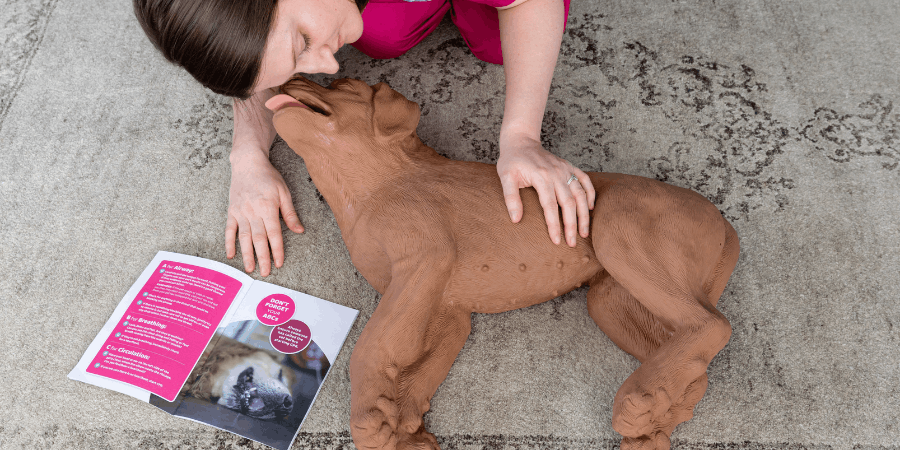
No matter how hard we try to protect our pets and keep them safe, accidents or emergencies can still happen. Knowing what to do in an emergency can save your pet’s life, so we’d recommend that all pet owners know how to do pet first aid in an urgent medical emergency.
Our Pet First Aid guide can help you be prepared for a wide range of emergencies, including practical tips on how to spot the signs of a problem. If you have any concerns about your dog’s health or wellbeing, be sure to contact your vet.
For free advice on looking after your dog, check out our Pet Health Hub.