
We all want our four-legged friends to be happy, healthy and safe. Being a responsible dog owner isn't just about providing food, exercise and love, it's also about making sure your dog can enjoy life safely while respecting the people, pets and places around them.
This blog focuses on the fourth section of the Dog Ownership Guide, produced by Dogs Trust and the RSPCA, which is all about helping you, as a dog owner, become a 'Good Citizen'. From making sure they're correctly identified with a microchip and ID tag, to teaching reliable recall and understanding your responsibilities when out and about, our vet team share their practical tips to help you and your dog enjoy life together safely and responsibly.
Does my dog need to be microchipped?
Yes, your dog needs to be microchipped. A microchip is essential as it allows your dog to be reunited with you if they ever to get lost or go missing. In addition, it’s the law that dogs must be microchipped by the time they are eight weeks old, and that you keep your contact details up to date on an approved microchip database.
This means many dogs come into their homes with their microchip already implanted, but it’s always best to have your dog's microchip checked by a vet as soon as possible after bringing them home. This will confirm that the microchip is still in place and that you have been given the correct microchip number. You'll then need to update the details on the microchip database, so it shows that you are your dog's new owner.
It is also essential to keep your dog's microchip details up to date throughout their life. Whenever any of your key information changes, especially your address or phone number, you should update the microchip database as soon as possible.
How do I choose the right dog collar and tag?
When choosing a dog collar, lots of people focus on the colour or pattern. However, it's often overlooked that, by law, dogs must wear a collar with an ID tag when they're in public. The ID tag must include the owner's name and address, but it's also a good idea to add your phone number. It can be either a hanging tag or a collar plate and must always be attached to your dog's collar when they are outside your property.
There are a few exemptions to this law, and it's important to remember that this is a separate legal requirement to microchipping. Even without the law, we'd still recommend that your dog wears a collar and ID tag, as it makes it much easier for them to be reunited with you if they ever go missing.
If your dog's collar is comfortable and fits correctly, there's no reason they can't wear it all the time. Choose a collar made from a soft, comfortable material and make sure you can fit two fingers comfortably between the collar and your dog's neck.
We'd never recommend using a prong of choke collar. Instead, use positive, reward-based training methods to help your dog learn and build confidence.
How do I teach my dog recall?
Training your dog to come back to you when you call is one of the most important things you can do to keep them safe. You have a legal responsibility to keep your dog under control in public places, so if you want to exercise them off the lead, teaching reliable recall is essential.
White it may sound simple, many dog owners find recall one of the hardest skills to teach. When your dog is out exploring, they'll naturally be interested in everything around them, so your recall command needs to be more rewarding than all the exciting sights, sounds and smells they encounter.
The best way to teach recall is to start as early as possible. Even if your dog is older when you bring them home, introducing the recall command in the first few days will help them learn more quickly. Begin training in familiar places, such as your home or garden, before gradually building up to more distracting environments.
Teaching your dog basic training skills from an early age can also help them feel more confident when visiting the vet. Dogs that are used to listening to cues, handling and positive reward-based training are often more relaxed during examinations, helping make vet visits less stressful.
Always reward your dog when they come back to you. In fact, we'd recommend continuing to reward them throughout their life to help keep their recall strong and reliable. It's also a good idea to avoid only using your recall command at the end of the walk, when the fun is over. Instead, practice recall regularly throughout the walk so your dog learns that coming back to you doesn't always mean it's time to go home.
Developing a reliable recall takes time and patience, but it's one of the best ways to keep your dog safe while showing consideration for the people and pets around you.
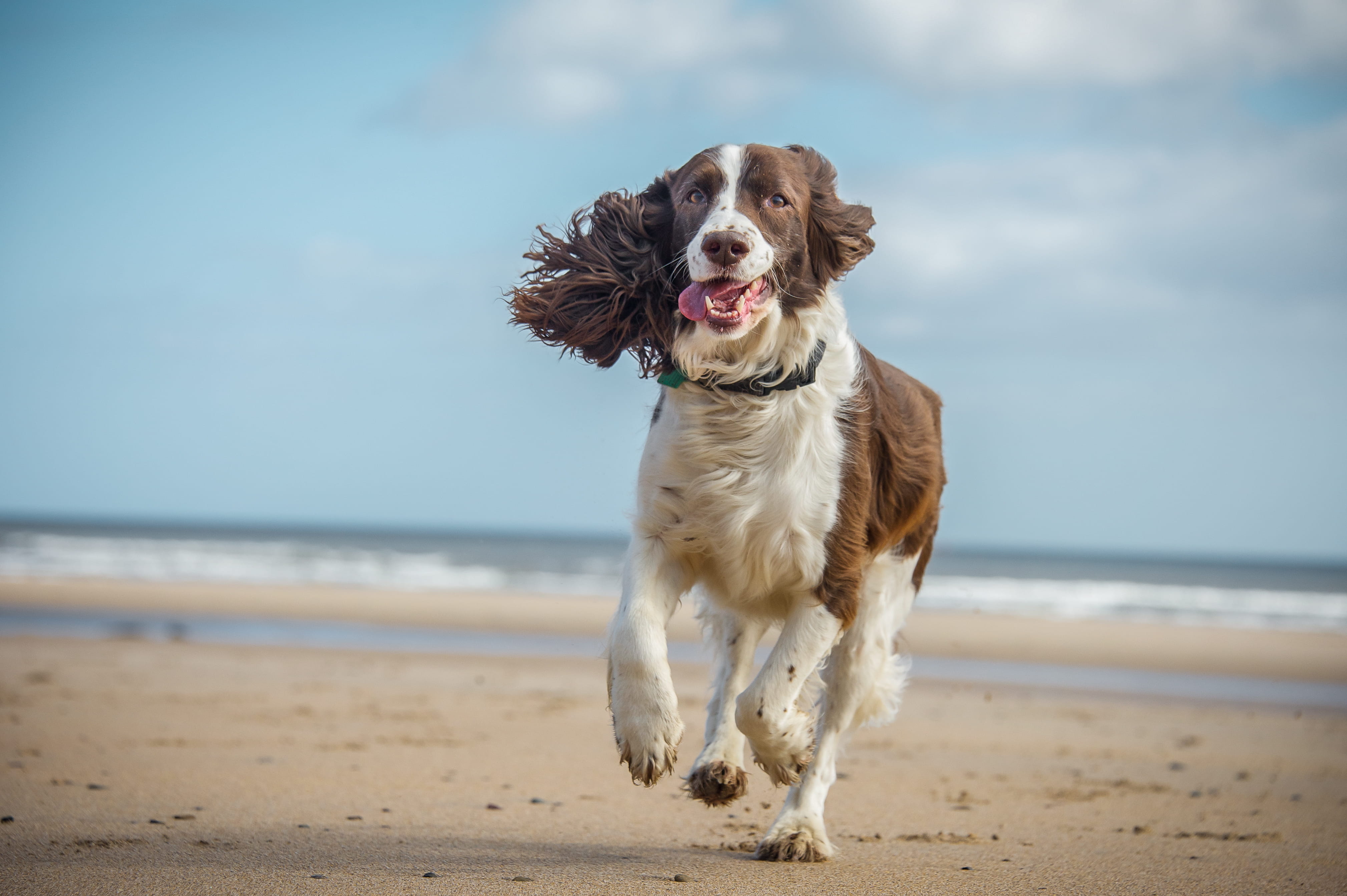
There are lots of reasons to clean up after your dog. If you've ever accidentally stepped in dog poo, you'll know it's unpleasant and can ruin your favourite shoes, or, if you don't spot it in time, your carpet or furniture. But it's not just about avoiding the mess.
Dog faeces can carry harmful bacteria, viruses and parasites that can spread disease to people and other animals, especially if they’re not up to date with vaccines and anti-parasite treatments. This is especially important for young children, who don't always know to stay away from dog mess.
Cleaning up after your dog also helps protect wildlife and the environment, particularly if they've recently had medications such as flea and worming treatments, as traces can enter the environment through their waste.
Finally, it is also a legal requirement to clean up after your dog in many public places. Always carry plenty of poo bags with you so you're prepared whenever you're out on a walk.
Helping your dog be a good citizen
Being a good citizen dog owner is about more than following the law, it's about helping your dog stay safe while showing consideration for the people, pets and places around you. From making sure they're correctly identified to teaching reliable recall and cleaning up after them on walks, these small actions can make a big difference to your dog's safety and wellbeing.
For more expert advice on responsible dog ownership, training and keeping your dog healthy, explore our Pet Health Hub.