
Responsible dog ownership doesn’t just fall on the owner; it’s a community effort. While owners focus on the primary care and training, the wider community plays a huge role in creating an environment where our furry friends can thrive and succeed as much as possible.
Veterinary teams are an important part of this community too, supporting owners with trusted, evidence-based advice and helping them make informed decisions to keep their dogs healthy, happy, and well.
This blog will focus on the fifth and final section of the Dog Ownership Guide produced by Dogs Trust and RSPCA, focusing on how the wider community can support responsible dog ownership.
This follows our other blog posts in this series:
- How can I make sure that my dog has a good life?
- How can I make sure my dog is safe and secure?
- How can I be a responsible dog owner?
- Is a dog a lifetime commitment?
Learn how to interact with dogs safely
Responsible dog ownership isn’t just about what happens at home – it’s also about helping dogs, their owners, and the wider community live safely and happily alongside one another.
Dogs are one of the most popular pets in the UK and we often meet them whilst out in the community – such as on walks, at the park, sometimes even in dog-friendly shops and cafes. If you’re a dog owner yourself, chatting about your dogs with other dog owners can be a great way to spark conversation and make new friends.
But it’s really important to understand how to behave around dogs to keep everyone safe and happy. Not every dog will want to be friends with you or your dog – and that’s okay!
Approaching and interacting with dogs in the community
As vets, we have a lot of conversations with our clients about dogs who struggle when out and about in the community. We always advise people to try and learn a bit about how dogs communicate.
Dogs tell us how they feel using their body language as they’re very good communicators. All we need to do is understand what they’re trying to tell us, and act accordingly. Read our blog on identifying and preventing stress in dogs.
If you notice any signs of stress in a dog’s body language, stop the interaction and give the dog some space. Remember that not every dog owner understands these signs, so even if the dog’s owner says it’s okay to interact, the dog might be telling you otherwise.
Follow these simple steps for safely approaching and interacting with a dog:
- Speak to the owner first and ask if it’s okay to ‘say hello’ to their dog
- Allow the dog to choose whether to interact and avoid reaching towards them
- Keep checking that body language for any changes in how they are feeling
- Give the dog space and allow them to move away if they choose
- Always actively supervise children around dogs - read our guide for tips on safe interactions between children and dogs
Respecting other people’s boundaries
Being considerate of other people is an important part of responsible dog ownership. Not everyone feels comfortable around dogs, and some people may be nervous, allergic, or simply prefer to keep their distance.
Keep your dog under control and give other people space, particularly in busy areas, on paths, and around children. This helps keep shared spaces more enjoyable for everyone.
Find trusted dog-related services and facilities
Finding trusted pet boarding, groomers, and dog walkers
Many dogs will need grooming appointments throughout their lifetime. Some may also need boarding if you go on holiday and can’t take them with you, and dog walking appointments if you work outside of the home or aren’t physically able to exercise them.
With so much choice, it can be hard to know who to choose and trust when your dog needs something.
- Do plenty of research
- Visit the premises in person before you book
- Don’t rely on website information
- Ask friends, family, and your local community for recommendations
- Ask your vet team for recommendations
- Check that the business you are using is licensed by the local council
Some services will require your dog to be vaccinated and/or protected against parasites, so check what your chosen provider requires and speak to your vet team about keeping their preventive healthcare up to date.
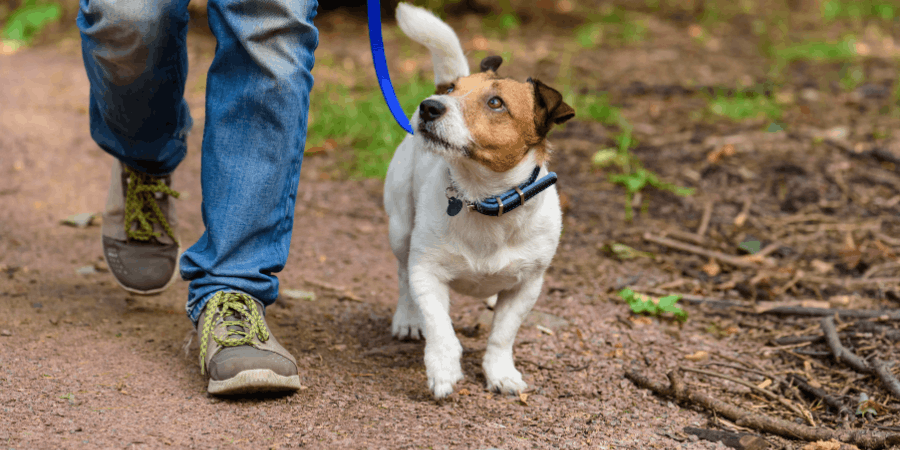
Taking your dog out in the community
Dogs love spending time with their family, and some love going on adventures and experiencing new things. Whether you live in the city or the countryside, it’s important to check whether your planned adventure is dog-friendly and safe.
Check in advance if your planned adventure allows dogs and that the walk is suitable for them. Plan in stops along the way (that are dog-friendly!) and pack all of the essentials they will need.
As a dog owner, you have a legal responsibility to keep your dog under control. Make sure your dog’s collar and harness fits well, and keep your dog on a lead where required, including around livestock, and follow local signs and guidance.
Check in your local area for dog-friendly green spaces, enclosed dog-walking fields, group dog walks, and safe places for them to swim.
When you’re out and about with your dog, remember that parks, pavements, beaches, and other public spaces are shared with people, dogs, and other animals. Always clean up after your dog, follow local rules and restrictions, and avoid allowing your dog to approach people or other dogs without permission. Being considerate of others helps everyone enjoy these spaces safely and responsibly.
Know where to find support services and facilities
If you need help with your dog, your first port of call should be your vet team. They can help with so much more than health-related concerns. They can give advice on diet, exercise, grooming requirements, parasite control, behavioural concerns, and much more. They can also signpost you to qualified, trusted people to help.
When looking for someone to care for or work with your dog, don’t be afraid to ask about their experience, qualifications, and approach. This is particularly important when seeking behavioural support. Your vet team can help you find an appropriately qualified professional and advise you if your dog’s behaviour could be linked to an underlying health problem.