
Welcoming a dog into your family means you’re taking on a commitment for the entirety of their lifetime – and although dog ownership is wonderful, it can come with some challenges too!
Dogs can live 10-15 years or longer depending on the breed and individual circumstances. Their needs can change significantly throughout their life which means adapting their care through their different life stages.
This blog will focus on the fourth section of the Dog Ownership Guide produced by Dogs Trust and RSPCA, focusing on the lifetime commitment of dog ownership. This follows our other blog posts in this series:
- How can I make sure that my dog has a good life?
- How can I make sure my dog is safe and secure?
- How can I be a responsible dog owner?
Make sure you have time to help your dog adapt and thrive
Every dog is different and will respond to situations differently. Some dogs thrive in busy bustling environments, whereas others prefer familiarity and routine. As dog owners, it’s our responsibility to ensure we minimise situations that will make our dogs feel stressed or overwhelmed, as this will negatively impact their welfare.
How do I know if my dog is stressed?
Many situations can be stressful for dogs – visits to the vets, a change in routine, people in the house. But prolonged or repeated stress can contribute to anxiety, behavioural issues, and sometimes even physical illness too. That’s why it’s so important that we can recognise the signs of stress in our dogs.
Dogs tell us how they feel using their body language – they’re actually very good communicators! All we need to do, is understand what they’re trying to tell us, and act accordingly. Read our blog on identifying and preventing stress in dogs.
If you notice your dog is stressed, remove them from the situation or environment, and take them to a place where they feel safe and secure. This could look like walking your dog away from an interaction they aren’t enjoying on a walk or creating them a cosy hiding spot away from the noise when there’s workmen at the house.
How to care for a senior dog?
As dogs enter their senior years, their needs can change in several ways. They may require a different food, a change in exercise routine, or adaptations around the home to maintain their quality of life. Being prepared for these changes is all part of the lifetime commitment of owning a dog.
Regular veterinary check-ups become increasingly important as your dog ages – health problems that are found early may be easier to treat or manage.
Simple adjustments, such as a memory foam or orthopaedic bed, using non-slip rugs on slippery floors, or shortening walks while keeping them mentally stimulated, can make a big different to your dog’s comfort and wellbeing.
Although your dog’s needs may change over the years, providing them with the right care, support, and veterinary advice throughout every stage of life helps them stay happy and healthy for as long as possible.
Plan ahead for big life changes that could affect your dog’s care
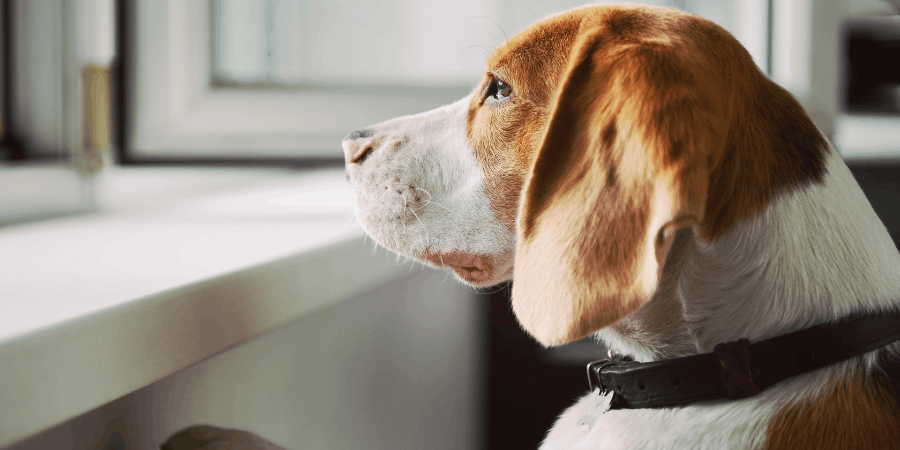
Big life changes like moving house or being separated from you for a prolonged period can make your dog’s life and routines look a little different for a while. Responsible ownership means adapting your dog’s routine as your own life changes. Plan ahead as best as you can and always keep your dog’s health and happiness in mind.
How do I move house with my dog?
Carefully planning your dog’s move will help to keep the process as smooth as possible, with less stress for both of you.
- Consider asking a friend or family member to look after them for moving day or book them into a reputable boarding kennels.
- If this is not possible, ensure that they are secured in a safe room at the house with their food and water, and give them regular toilet breaks.
- Ensure they are comfortable and secure during travel to the new house.
- Before arrival at the new house, take them for a walk to settle them down and tire them out.
- Before your pet arrives, prepare a room for them by unpacking their bedding, bowls, and toys.
- Consider using pheromone diffusers to help them relax into their new environment.
Read our blog on moving house with pets for more information.
It’s a good idea to have a plan in place for emergencies. Think about who could care for your dog if you were suddenly unable to for both short and long periods of time. Have your dog’s feeding routines, medication instructions, and anything else a carer would need to know handy and ready to go if you need to pass the information along.
Be financially prepared for owning a dog
How much does it cost to own a dog?
When you get a dog, you’re legally required to meet their 5 Welfare Needs, keeping them happy and healthy throughout their life. The cost of taking care of a dog can soon add up, even without any unexpected vet bills.
There will be an initial cost of getting your dog which includes neutering and vaccinations, plus everything they need at home like beds, bowls, food, toys, etc. There will then be ongoing costs which need to be budgeted for such as:
- Preventive healthcare such as vaccinations and parasite treatments
- Grooming
- Toys
- Training
- Pet Insurance
- Routine veterinary care
- Food
- Beds
- Harness, leads, ID tags
Is pet insurance worth it?
It’s important to be prepared for any unexpected vet bills should your dog have an accident or becomes unwell. It’s incredibly stressful if this happens, and to have the reassurance that your pet insurance policy is there to help cover these costs is one less thing to worry about.
For more information, read our blog on pet insurance.
Find out where you can go for advice
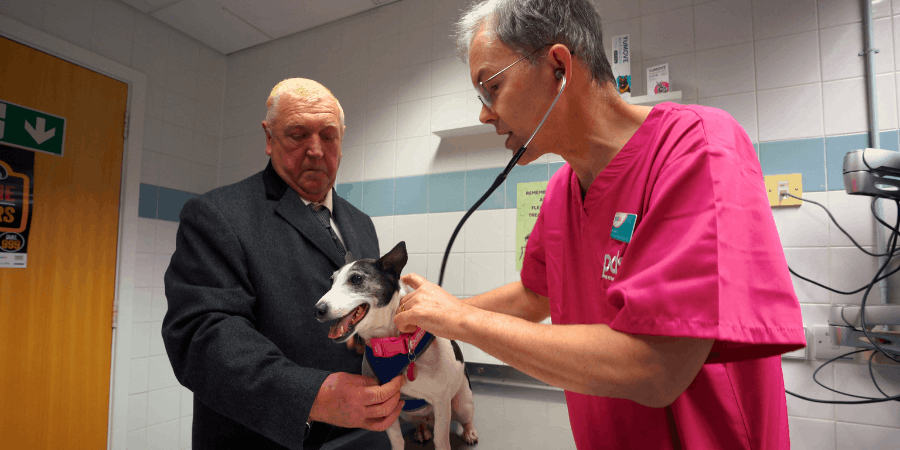
We recommend to always speak to your vet in the first instance. Any changes in behaviour, eating habits, exercise could indicate a health problem which should be ruled out first. Your vet might also be able to give behavioural advice or signpost you to a qualified behaviourist.
Dogs rely on us for every aspect of care throughout their lives. By planning ahead, recognising when their needs change, and seeking advice early when problems arise, you’ll be giving them the best chance of living a healthy, happy life.
Our Pet Health Hub can support you as a dog owner with vet-approved advice, videos, and guides on how to look after your dog.